Discover the Magic of
Dragon Fruits
Complete guide to all dragon fruit varieties worldwide. Learn about health benefits, growing tips, nutrition facts, and explore the exotic world of pitaya!
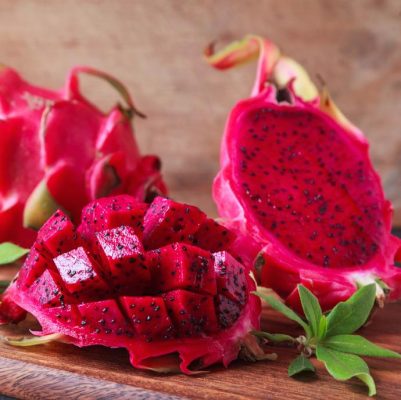
Heart Healthy
Rich in Fiber
What is Dragon Fruit?
Dragon fruit, also known as pitaya or strawberry pear, is an exotic tropical fruit from the cactus family. Named for its vibrant, flame-like skin with dragon-scale appearance, this superfruit is packed with antioxidants, vitamins, and minerals. Native to Central America but now grown worldwide, dragon fruit comes in several stunning varieties with unique flavors and health benefits.
Cactus Fruit
Grows on climbing cacti
Night Bloomer
Flowers bloom at night
Superfood
Packed with antioxidants
Global Fruit
Grown in 20+ countries
Explore Dragon Fruit Types
From the common white variety to the rare purple pitaya, discover all dragon fruit types with detailed information, growing guides, and health benefits.
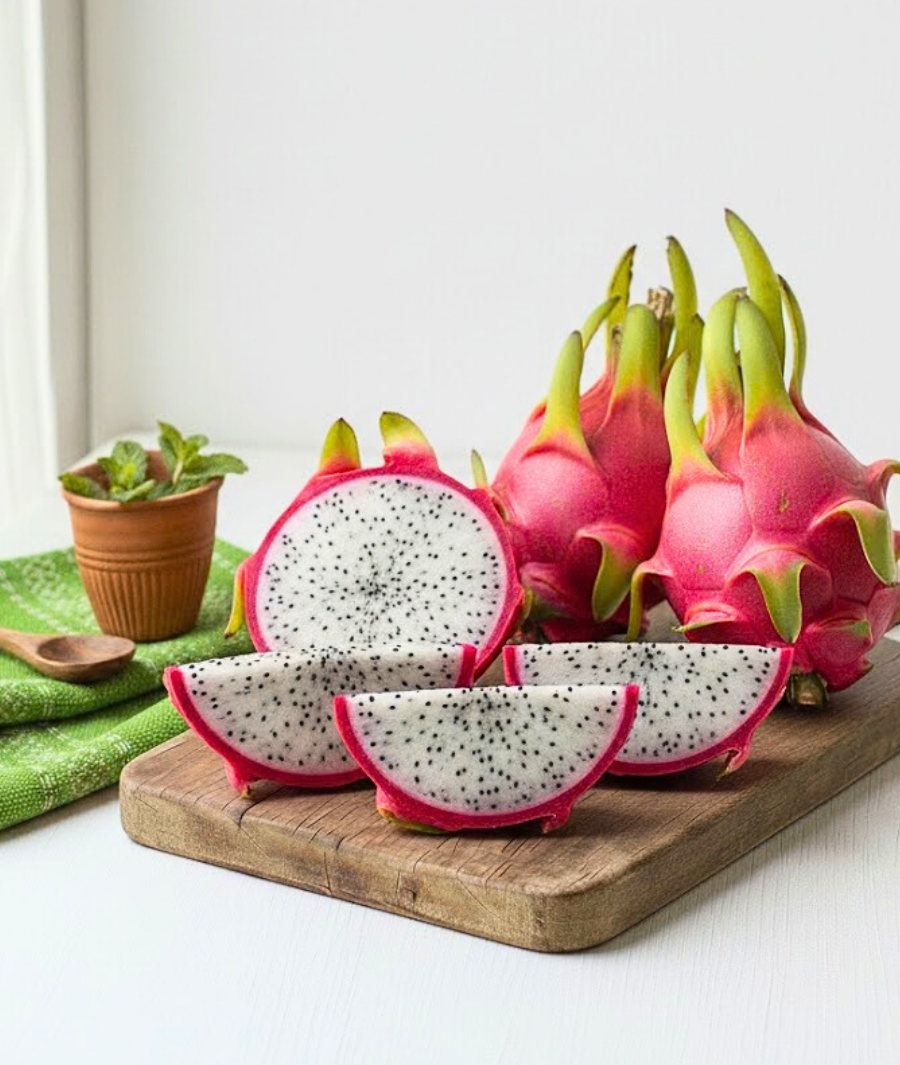
White Dragon Fruit
Hylocereus undatus
The most common and widely cultivated dragon fruit variety in the world, featuring a stunning contrast of vibrant hot-pink skin and snow-white flesh dotted with countless tiny black edible seeds. This variety represents over 80% of global dragon fruit production and is celebrated for its mild, refreshing taste and incredible health benefits. Native to Central America but now grown extensively across Vietnam, Thailand, and many tropical regions, white dragon fruit has become a staple superfood in markets worldwide.
Taste: Mildly sweet (less sweet than red variety)
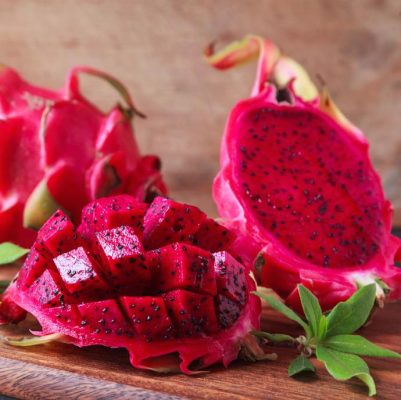
Red Dragon Fruit
Hylocereus costaricensis
A vibrant variety with deep magenta flesh that's sweeter and more nutrient-dense than white dragon fruit.
Taste: Sweeter than white variety (14-16° Brix)
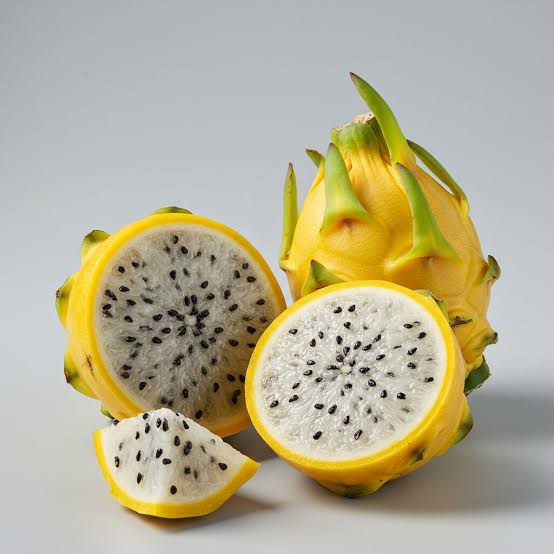
Yellow Dragon Fruit
Selenicereus megalanthus (formerly Hylocereus megalanthus)
The sweetest and rarest dragon fruit variety with bright yellow skin and white flesh. Native to South America.
Taste: Very sweet (15-18° Brix - highest among dragon fruits)
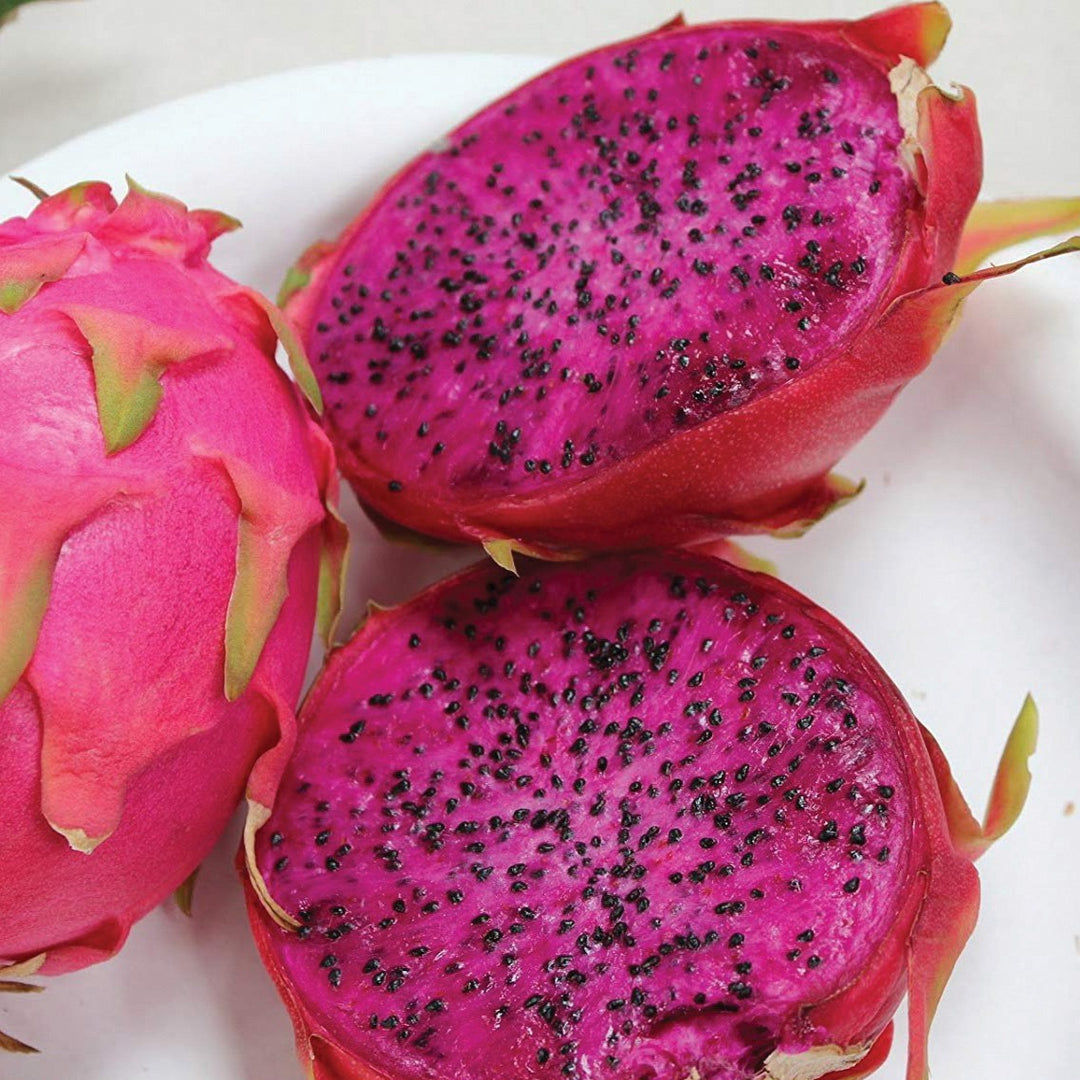
Purple Dragon Fruit
Hylocereus guatemalensis
A rare variety with deep purple flesh, even more antioxidant-rich than the red variety. Native to Guatemala.
Taste: Sweet (13-15° Brix)
Pink Dragon Fruit (Hybrid)
Hylocereus hybrid
A modern hybrid variety with pink-tinged white flesh, combining sweetness of red and crunch of white varieties.
Taste: Moderately sweet (11-13° Brix)
Quick Comparison
Compare all dragon fruit varieties at a glance
| Variety | Skin Color | Flesh Color | Sweetness | Availability |
|---|---|---|---|---|
| White | Pink | White | ★★☆☆☆ | Very Common |
| Red | Deep Pink | Red/Purple | ★★★☆☆ | Common |
| Yellow | Yellow | White | ★★★★★ | Rare |
| Purple | Deep Pink | Purple | ★★★★☆ | Very Rare |
| Pink Hybrid | Pink | White-Pink | ★★★☆☆ | Uncommon |
Amazing Health Benefits
Dragon fruit is a nutritional powerhouse packed with vitamins, antioxidants, and essential minerals
Boosts Immunity
High in Vitamin C and antioxidants
Heart Health
Reduces bad cholesterol levels
Weight Loss
Low calorie, high fiber content
Skin Glow
Anti-aging antioxidants
Digestive Aid
Prebiotics for gut health
Blood Sugar
Low glycemic index
Bone Strength
Rich in calcium & magnesium
Hydrating
80% water content
Frequently Asked Questions
Everything you need to know about dragon fruits
What is the healthiest dragon fruit variety?
Purple dragon fruit has the highest antioxidant content, followed by red dragon fruit. However, all varieties are nutritious and provide similar health benefits. White dragon fruit is lower in calories if you're watching weight.
Which dragon fruit tastes the sweetest?
Yellow dragon fruit (Hylocereus megalanthus) is the sweetest variety with 15-18° Brix sugar content. Red and purple varieties are moderately sweet, while white dragon fruit is the least sweet but still delicious.
Can dragon fruit be grown indoors?
Yes! Dragon fruit can be grown in large pots indoors if you provide sufficient sunlight (6-8 hours from a south-facing window or grow lights), well-draining soil, and a support structure. They adapt well to container growing.
How long does dragon fruit last after cutting?
Once cut, store dragon fruit in an airtight container in the refrigerator for up to 2-3 days. Whole uncut dragon fruit can last 5-7 days at room temperature or 2-3 weeks refrigerated.
Why is yellow dragon fruit so expensive?
Yellow dragon fruit is rare due to limited commercial production, longer growing time (18-24 months vs 6-12 for white), and shorter shelf life. It's also sweeter and in high demand, making it 2-3x more expensive than white varieties.
Are dragon fruit seeds edible?
Yes, the small black seeds are completely edible and provide healthy omega-3 and omega-9 fatty acids. They add a slight crunch similar to kiwi seeds. You can eat them or blend them into smoothies.
Can I eat dragon fruit skin?
The thick outer skin is not typically eaten due to its leathery texture, but it's non-toxic. However, the pink/yellow skin is sometimes used in teas or smoothies after thorough washing. Most people just eat the flesh.
Does red dragon fruit stain?
Yes! Red and purple dragon fruit contain betalain pigments that can stain hands, clothes, and cutting boards. The stains usually wash out with soap and water but can be persistent on porous surfaces.
Ready to Grow Your Own?
Learn step-by-step how to grow dragon fruit at home, from cuttings to harvest. Complete growing guides for each variety!
Start Growing Guide →